
Fade Haircuts Guide: Types, Techniques & Tips
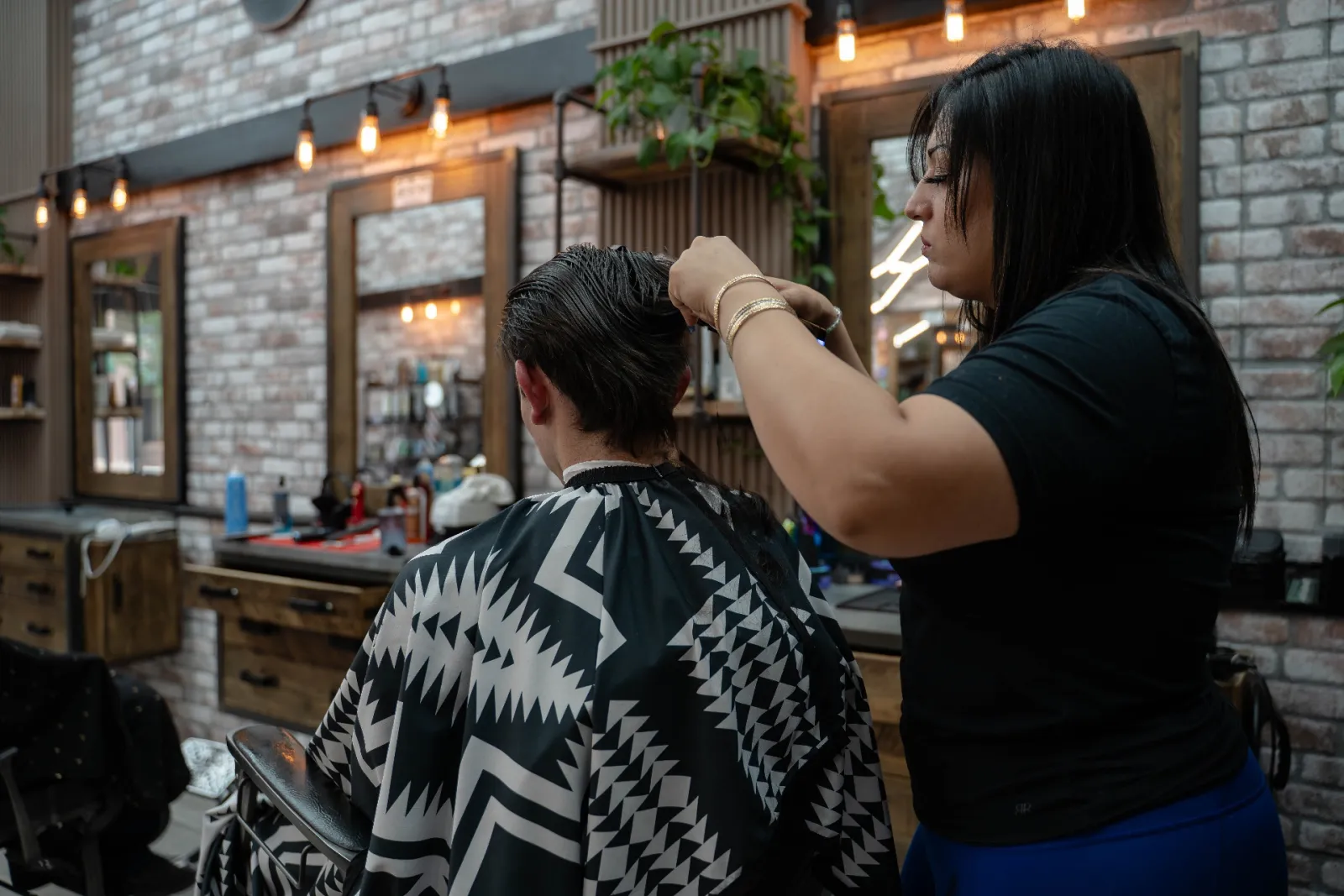
The fade haircut has dominated men's style for decades, and its popularity continues to grow. This comprehensive guide covers everything you need to know about fades - from the different types to how to maintain them.
## What Is a Fade Haircut?
A fade gradually transitions hair from short to long, creating a seamless gradient effect. The term "fade" refers to how the shorter hair "fades" into the skin or longer hair above.
Originally popularized in African American barbershops during the 1980s and 1990s, fades have become the most requested style across all demographics.
## Types of Fades Explained
### By Starting Point
**High Fade** - Starts 2+ inches above the ear - Maximum contrast between top and sides - Best for: statement styles, undercuts, pompadours - Face shapes: round, oval
**Mid Fade** - Starts at the temple/corner of the eye - Balanced and versatile - Best for: almost any style - Face shapes: all
**Low Fade** - Starts just above the ear - Subtle and professional - Best for: conservative settings, first fades - Face shapes: all, especially oblong
### By Finish
**Skin Fade (Bald Fade)** Goes all the way to the skin using a straight razor or zero-guard clippers. The sharpest look but requires the most maintenance (every 1-2 weeks).
**Shadow Fade** Leaves a subtle "shadow" of hair at the shortest point instead of going to skin. Slightly lower maintenance than skin fades.
**Zero Fade** Uses the shortest clipper guard (typically #0 or #0.5) but doesn't go to bare skin. Good balance between sharp and maintainable.
### By Shape
**Taper Fade** The classic. Hair gradually tapers at the sides and back. Natural and timeless.
**Drop Fade** The fade line drops behind the ear, following the natural curve of the head. Adds dimension and works exceptionally well with curly hair.
**Burst Fade** Radiates in a semicircle around the ear. Often paired with mohawks, faux hawks, or longer top styles.
**Temple Fade (Temp Fade)** Focuses on fading the temples and sideburns. Can be combined with almost any top style.
## The Fade Process: What Happens in the Chair
Understanding the process helps you communicate better with your barber:
1. **Consultation**: Your barber examines your head shape, hair type, and growth patterns 2. **Guideline Creation**: Using clippers, they establish the fade line 3. **Bulk Removal**: Removing length above the fade line 4. **Blending**: The crucial step - using multiple guard sizes to create seamless transitions 5. **Detail Work**: Cleaning up the hairline, temples, and around ears 6. **Top Styling**: Cutting and texturing the hair on top 7. **Finishing**: Hot lather on the neck, edge work, product application
## What to Ask Your Barber
Be specific to get the fade you want:
- **"How high should the fade start?"** - Point to where you want it - **"Skin fade or shadow fade?"** - How short at the shortest point - **"Hard part or natural?"** - Whether you want a shaved line - **"What length on top?"** - In inches or finger widths - **"Squared or rounded back?"** - The shape of your neckline
## Fade Maintenance Tips
### Week 1 Your fade looks its freshest. Minimal maintenance needed. Use product as shown by your barber.
### Week 2 The fade is still sharp but softening. This is when most people prefer to return for a lineup.
### Week 3 The gradient is blending out. Fine for casual settings but losing that crisp look.
### Week 4+ Time for a fresh cut. The fade has grown out significantly.
### Between Visits
- **Don't DIY the fade**: Seriously, don't try to touch it up yourself - **You CAN clean up the neckline**: A simple trimmer can handle strays - **Wash appropriately**: 2-3 times per week for most hair types - **Use quality product**: Cheap gel can flake and look messy
## Fades for Different Hair Types
**Straight Hair** Most versatile for fades. Blending is straightforward and results are predictable.
**Wavy Hair** Excellent for fades - natural texture adds visual interest. May need slightly more length to show wave pattern.
**Curly Hair** Requires a skilled barber who understands texture. Dry cutting recommended. Drop fades work exceptionally well.
**Coily/Afro-Textured Hair** The birthplace of modern fades. Skilled barbers use specific techniques for seamless blends. Taper fades and temple fades are popular options.
## Popular Fade Combinations
- **Mid Fade + Textured Crop**: The modern classic - **Low Fade + Side Part**: Professional and polished - **High Fade + Pompadour**: High contrast, high impact - **Drop Fade + Curly Top**: Perfect for textured hair - **Burst Fade + Faux Hawk**: Bold and edgy - **Skin Fade + Buzz Cut**: Ultra-low maintenance
## Common Fade Mistakes to Avoid
1. **Going too high too fast**: Start conservative; you can always go higher 2. **Ignoring head shape**: Not all fades work on all heads 3. **Cheap haircuts**: Fades require skill; pay for quality 4. **Skipping consultations**: Always discuss what you want 5. **Waiting too long between cuts**: Fades need regular maintenance
## Denver's Fade Specialists
At Alfani's Barbershop, fades are our specialty. Our barbers have performed thousands of fades since 2010, earning us 1000+ 5-star reviews. Whether you want a subtle low taper or a dramatic skin fade, we've got you covered.
Located on East Colfax Ave near Cheesman Park. Walk-ins welcome.
Ready for Your Next Cut?
Put this advice into practice. Book your appointment at Alfanis Barbershop.
Book Now