
History of Barbershops in America: A Brief Guide
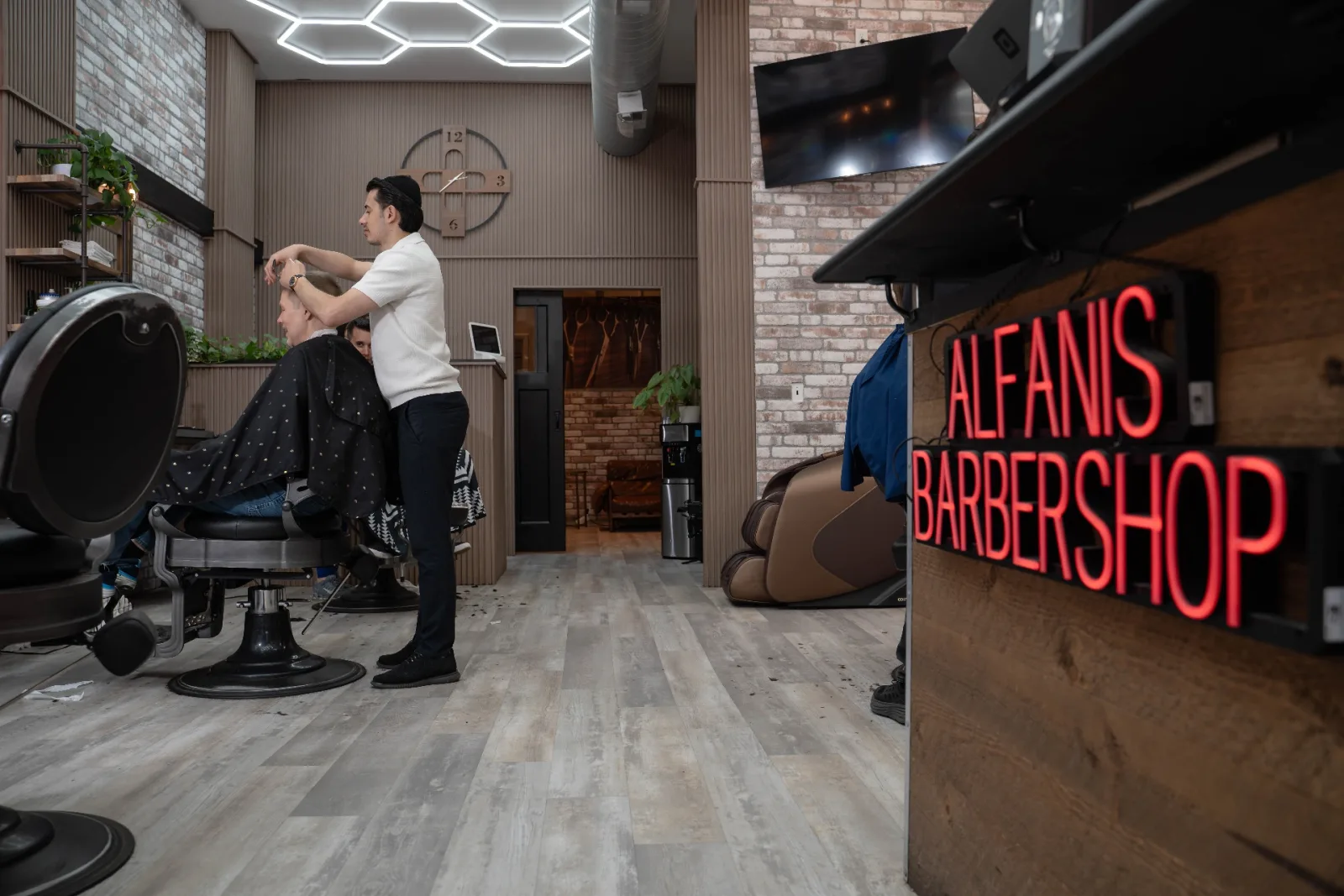
The barbershop is one of America's oldest continuous institutions. From colonial barber-surgeons to today's style destinations, this is the story of how barbershops shaped - and were shaped by - American culture.
## The Barber-Surgeon Era (1600s-1800s)
Before modern medicine, barbers did more than cut hair. They were barber-surgeons who performed: - Bloodletting (a common medical treatment) - Tooth extractions - Wound treatment - Minor surgeries
**The barber pole** originates from this era. The red represents blood, white represents bandages, and blue represents veins. It was essentially a medical sign.
In 1745, England separated barbers from surgeons by law. American colonies followed suit. Barbers focused on grooming; surgeons on medicine.
## The African American Barbershop Tradition
African American barbershops have a unique and significant history:
**Pre-Civil War**: Free Black barbers in Northern cities built successful businesses, often serving white clientele. James Thomas in Nashville became wealthy enough to own slaves himself - a complex piece of history.
**Post-Civil War**: Segregation created separate barbershops. Black barbershops became essential community centers - safe spaces for conversation, news sharing, and social connection.
**Civil Rights Era**: Barbershops served as meeting places for organizing. Dr. Martin Luther King Jr. and other leaders frequented barbershops for both haircuts and community connection.
**Modern Legacy**: Today's Black barbershops remain cultural institutions. They're gathering places, mentoring sites, and community anchors. This tradition directly influenced modern "barbershop culture" across all demographics.
## The Golden Age (1880s-1930s)
This was the barbershop's heyday:
- Ornate shops with marble, brass, and carved wood - Multiple chairs serving dozens of customers daily - Full-service grooming: shaves, haircuts, shoeshines, manicures - The center of male social life
**The barbershop quartet** emerged during this era - four-part harmony sung by men waiting for cuts.
Barbershops were democratic spaces. Politicians, businessmen, and workers sat side by side. News and gossip spread faster here than in newspapers.
## The Decline (1940s-1980s)
Several factors nearly killed the traditional barbershop:
**The safety razor** (invented 1901, popularized 1920s): Men began shaving at home **Longer hair styles** (1960s-70s): Hippie culture meant fewer haircuts **Unisex salons** (1970s): New competition from stylists **Cheap chains** (1980s): $6 haircuts undercut traditional shops
By the 1980s, classic barbershops were disappearing. Many predicted their extinction.
## The Revival (1990s-Present)
The barbershop didn't die - it evolved:
**Hip-hop influence** (1990s): Fades and precise lineups required skilled barbers. Urban barbershops became style centers.
**Retro appreciation** (2000s): Men rediscovered the experience. Craft cocktails, vinyl records, barbershops - all came back.
**Social media** (2010s): Instagram transformed barbering. Barbers became influencers. Clean fades went viral.
**Premium experience** (2020s): Modern barbershops offer bourbon, sports on TV, and luxury products alongside great cuts.
## The Modern Barbershop Experience
Today's best barbershops blend tradition with innovation:
**What stayed**: - Straight razor shaves - Hot towels - Community atmosphere - Skilled craftsmanship
**What changed**: - Online booking - Social media presence - Premium products - Diverse techniques from global traditions
## Barbershop Etiquette (Then and Now)
Some things haven't changed:
**Traditional rules**: - Don't talk about another man's barber - Tip your barber (15-20% is standard) - Don't ask for the specific barber if the shop rotates - Keep conversations respectful
**Modern additions**: - Book appointments when possible - Be on time (respect everyone's schedule) - Put your phone away during the cut - Be clear about what you want
## Denver's Barbershop Heritage
Denver's barbershops date to the gold rush era. When miners flooded Colorado in 1858, barbers followed. By 1880, downtown Denver had dozens of barbershops.
The industry evolved with the city. Today, Denver's barbershop scene is thriving, blending Western tradition with modern style.
**Alfani's Barbershop** opened on East Colfax in 2010, part of the neighborhood's revitalization. We carry forward the traditions - skilled craft, community connection, quality experience - while serving today's Denver.
## The Future of Barbershops
The barbershop has survived razors, hippies, chain salons, and COVID-19. It will survive whatever comes next.
Why? Because it offers something irreplaceable: a dedicated space for men's grooming, community, and self-care. In an increasingly digital world, that physical experience matters more than ever.
The barbershop isn't just where you get your hair cut. It's where you belong.
Ready for Your Next Cut?
Put this advice into practice. Book your appointment at Alfanis Barbershop.
Book Now